
The historical evolution of gambling From ancient rituals to modern casinos
The Origins of Gambling in Ancient Civilizations
The roots of gambling can be traced back to ancient civilizations, where games of chance were intertwined with religious and social rituals. Archaeological evidence suggests that as early as 3000 BC, the Chinese played a form of gambling using tiles. This primitive approach set the stage for various games that would evolve over the centuries. In ancient Mesopotamia, people engaged in dice games that were often seen as a way to predict the future, showing how gambling was deeply embedded in cultural beliefs. Today, many players seek out a real money casino experience, reflecting the historical appeal of chance for rewards.
In ancient Rome, gambling became a popular pastime among citizens. Dice games were particularly favored, with evidence showing that gambling was so prevalent that it led to social and moral concerns. Roman authorities attempted to regulate gambling, indicating its significant impact on society. The Romans also organized betting on gladiator contests and chariot races, illustrating how gambling evolved into an organized form of entertainment that involved stakes and rewards.
Gambling practices varied widely across civilizations. In India, ancient texts reference a game called “Pachisi,” which is often regarded as the precursor to modern board games. These early forms of gambling were not merely about winning or losing money; they were integral to community bonding and entertainment. This rich history of gambling set the foundation for its transformation over the millennia, leading to various forms adapted by cultures worldwide.
The Middle Ages and the Rise of Gambling Houses
As societies transitioned into the Middle Ages, gambling began to evolve more formally. The introduction of playing cards in Europe during the 14th century marked a significant shift in gambling practices. The popularity of card games led to the establishment of gambling houses, where patrons could indulge in various games of chance. These venues not only offered entertainment but also provided a social space for people to gather, thus solidifying gambling as a mainstream activity.
During this period, the church grappled with the moral implications of gambling, often denouncing it as a sinful vice. Despite this opposition, gambling continued to flourish, leading to the establishment of regulations governing gaming houses. These regulations were aimed at curbing excesses while allowing a controlled environment for gambling. This tension between societal acceptance and religious condemnation defined the landscape of gambling throughout the Middle Ages.
By the end of the Middle Ages, gambling houses had evolved into more sophisticated establishments, paving the way for the future of casinos. The French developed various gambling games during this time, such as baccarat and roulette, which would become staples in modern casinos. The combination of social acceptance and regulated gambling created an environment ripe for the further evolution of gambling as a legitimate and popular form of entertainment.
The Birth of the Modern Casino
The 17th and 18th centuries witnessed the emergence of the modern casino as we know it today. The first official casino, the Casinò di Venezia, opened its doors in Italy in 1638. This establishment was a turning point, as it marked the transition from informal gambling houses to recognized and regulated venues. The luxurious setting of the casino, combined with various games, attracted the elite and the general populace, solidifying its place in societal culture.
As casinos gained popularity, different regions began to establish their own versions. In France, the gaming salon became a fashionable place for the upper class to socialize and gamble. Meanwhile, in the United States, gambling continued to evolve with the establishment of the first commercial casino in New Orleans in the early 19th century. The spread of casinos across America paved the way for states to adopt varying degrees of legalized gambling, shaping a unique gambling landscape.
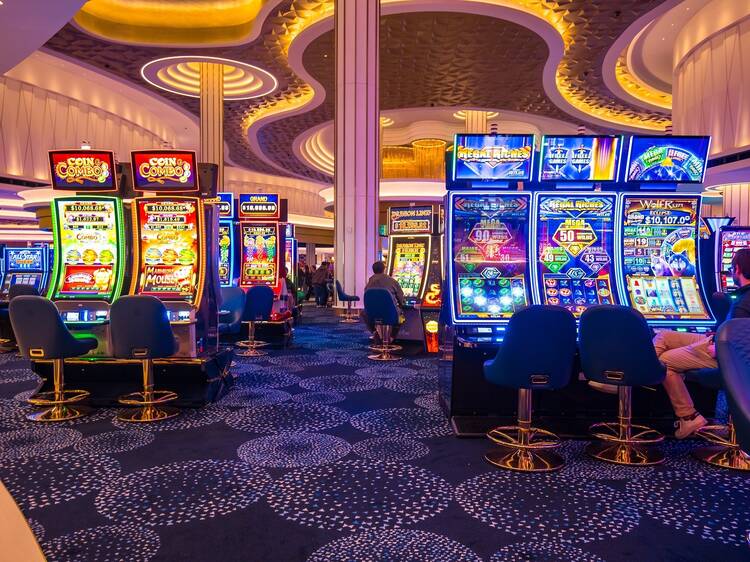
The technological advancements of the 19th century also contributed significantly to the evolution of casinos. The invention of slot machines and the introduction of new games enriched the gambling experience. By the late 20th century, the rise of Las Vegas as a gambling mecca showcased the opulence and entertainment potential of casinos, further solidifying their status in popular culture. This evolution reflects society’s changing attitudes toward gambling and its integration into mainstream entertainment.
The Digital Revolution and Online Gambling
The late 20th and early 21st centuries ushered in a new era for gambling with the rise of the internet. Online gambling platforms emerged, allowing players to engage in their favorite games from the comfort of their homes. This digital revolution expanded the reach of gambling, breaking geographical barriers and enabling a global audience to participate. The development of online casinos, poker rooms, and sports betting sites transformed the gambling landscape dramatically.
With the proliferation of mobile technology, online gambling became even more accessible. Players can now enjoy real-time betting and gaming through their smartphones and tablets, making it easier to engage with various gambling activities. This shift has not only catered to the existing gambling audience but has also attracted a younger demographic that prefers digital interaction. Consequently, online platforms have diversified their offerings to include live dealer games, providing an authentic casino experience virtually.
However, the rise of online gambling also brought challenges, particularly regarding responsible gambling practices. The anonymity of online gaming can lead to problematic gambling behavior, prompting regulatory bodies and operators to implement responsible gambling measures. These include self-exclusion options, deposit limits, and awareness campaigns to promote safe gambling practices. As the online gambling sector continues to grow, ensuring a safe and responsible environment remains paramount.

Explore the Thrills of Modern Gambling
As we reflect on the historical evolution of gambling, it is evident that it has transformed significantly over millennia. From ancient rituals to the glitzy allure of modern casinos, gambling continues to adapt to societal changes and technological advancements. Players today are presented with a plethora of options, from traditional games to innovative online experiences, catering to every taste and preference.
Engaging in gambling today is not merely about the thrill of winning; it also encompasses the social and entertainment aspects that were prominent in ancient times. Players can participate in immersive gaming experiences that combine vibrant visuals with seamless gameplay, making every session enjoyable. The community aspect of gaming is also thriving, with forums and groups where players share tips, strategies, and experiences, reminiscent of past social gatherings in physical casinos.
Whether you prefer the excitement of spinning slots, the strategy of poker, or the thrill of sports betting, the modern gambling landscape offers endless opportunities. It is essential, however, to prioritize responsible gambling. Engaging with games in a fun and balanced manner ensures a positive experience for everyone involved. In this evolving world of gambling, embracing responsibility is crucial for sustainable enjoyment.